- Role
- UC Aerospace member — Rocketry Program
- Timeframe
- Following Level 1
Level 2 Rocketry built directly on the Level 1 foundation. I progressed to designing and building higher-performance rockets from scratch, which meant working through the full rocket design process — flight simulation, dual-stage recovery systems, and the construction to match.
A key part of the programme involved composite materials, fibreglass and carbon fibre, used to fabricate strong, lightweight airframes. I gained practical skills in material selection, layering technique and structural assembly, so the rockets could withstand launch and flight stresses.
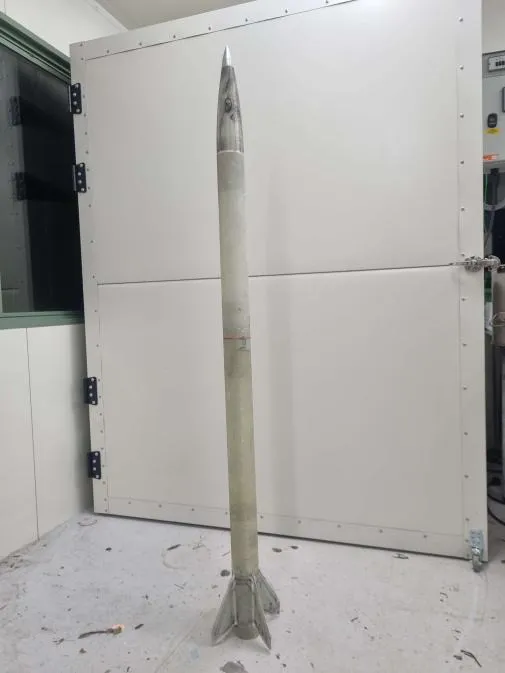
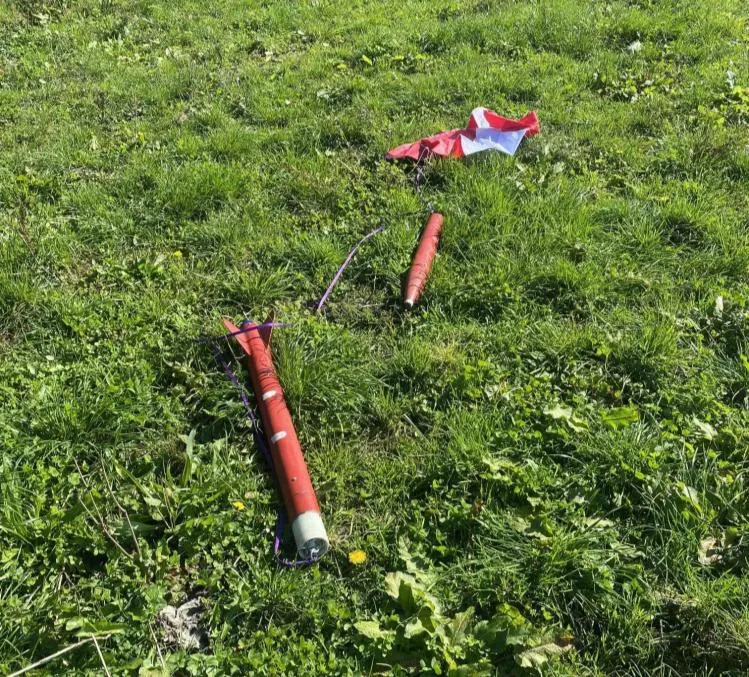
The programme also covered integrating avionics systems and recovery mechanisms into the rockets, with dual-stage parachutes carrying the descent, the arrangement the programme relied on for safety and reliability during flight.
Technologies
Key outcomes
Added composite airframe construction and dual-stage recovery to the Level 1 foundation, building fibreglass and carbon-fibre rockets designed to survive real launch and flight loads.